Discover comprehensive information for all aspects of sexual health and find resources and guidance to empower your sexual well-being.
Prostate health is a critical concern for men, especially as they age. The prostate gland…
Discover comprehensive information for all aspects of sexual health and find resources and guidance to empower your sexual well-being.
Prostate health is a critical concern for men, especially as they age. The prostate gland…
The International Society for the Study of Women’s Sexual Health describes Hypoactive sexual desire disorder…
The pelvic floor muscles are the unsung heroes of our body’s core, providing support to…
Painful erections never indicate normalcy, and sometimes signal a medical emergency. Severe pain may necessitate…
Achieving and maintaining a strong penile erection is a common concern for many men. It…
Erectile dysfunction (ED) is a condition that many men face at some point in their…
Commitment issues can often manifest in romantic relationships, work, and other personal or professional spheres.…
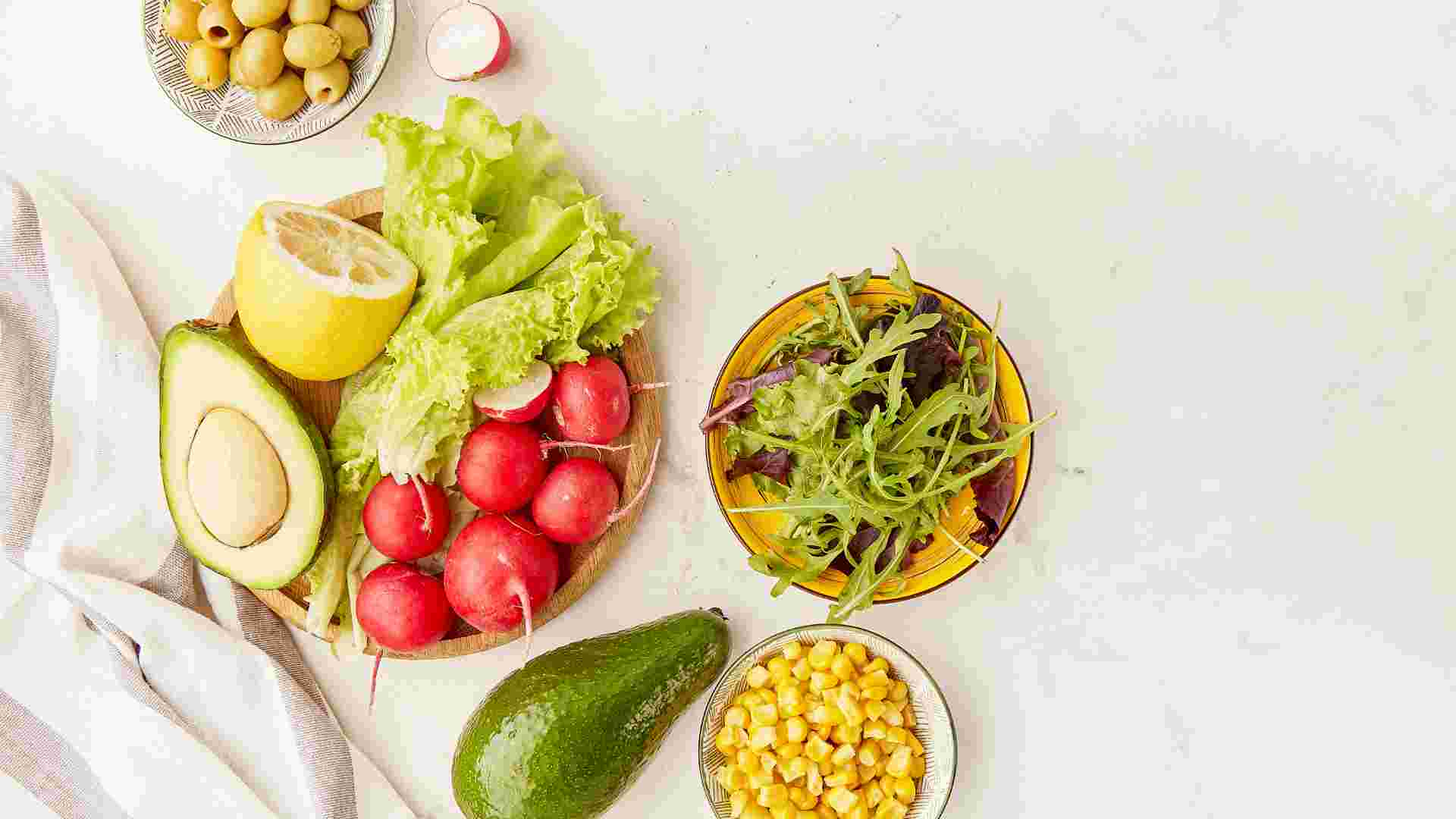
The Mediterranean diet has long been celebrated for its heart-healthy and longevity-promoting benefits. Recently, a new variation called the Green Mediterranean diet has emerged, promising even greater health advantages. This version enhances the traditional diet by emphasizing plant-based foods even more strongly and reducing meat consumption. In this post, we’ll explore what the Green Mediterranean diet is, its potential health benefits, and whether it might be the right choice for you.
Related: Mediterranean Diet: Complete Scientific Guide and Meal Plan
Table of Contents
ToggleThe Green Mediterranean diet is a spin on the traditional Mediterranean diet, which focuses on fruits, vegetables, whole grains, nuts, seeds, and olive oil. The “green” version increases the intake of specific plant-based foods and incorporates additional green elements like green tea and certain types of algae, such as spirulina. It also advocates for less meat and more plant-based protein sources.
This diet is rich in high-fiber foods, heart-healthy fats, and plant-based proteins. Key staples include:
The Green Mediterranean diet is low in red meat and high in plant-based foods, which helps reduce cholesterol levels and lowers the risk of heart disease. The addition of nuts, seeds, and olive oil provides anti-inflammatory benefits, which are crucial for cardiovascular health.
This diet is naturally rich in fiber, which helps in maintaining a healthy weight by keeping you fuller for longer periods. The high intake of whole foods and the restriction of processed foods aid in overall calorie control.
A diet high in fiber and healthy fats can help regulate blood sugar levels, which is essential in preventing and managing diabetes. Whole grains and legumes, in particular, have a low glycemic index, which helps in controlling blood sugar spikes.
The Green Mediterranean diet not only focuses on health but also on environmental sustainability. By reducing meat consumption and increasing reliance on plant-based foods, it promotes a lower carbon footprint and less water usage.
Related: Sustainable Diet: Everything You Need To Know
This diet is particularly well-suited for those looking to enhance their health while also being mindful of the environment. It’s ideal for vegetarians, pescatarians, and anyone interested in reducing their meat consumption without going fully vegan.
Before transitioning to the Green Mediterranean diet, consider your nutritional needs, especially if you have specific health conditions or dietary restrictions. Consulting with a healthcare provider or a dietitian can help tailor the diet to your needs.
The Green Mediterranean diet offers a healthful twist on a traditional regimen known for its benefits. With its emphasis on plants and sustainability, it may not only improve your health but also help the planet. If you’re considering a dietary change, the Green Mediterranean diet might be worth trying, especially if you’re keen on boosting your intake of whole foods while reducing your environmental impact. As with any diet, personalization is key to ensure it complements your lifestyle and health goals effectively.

Dr. Nishtha Wadhwa is a medical doctor (MBBS, MD) who explains why we feel what we feel, in mind and body, without judgement. She is trauma-informed and is currently pursuing a Master’s in Clinical Psychology. Her own struggles with physical and mental health shaped how she teaches: in plain language, with practical steps, and with a focus on how closely mind and body are connected. Her work also draws on her training in nutrition. Watch her videos on YouTube at @healthintoto.