
Discover comprehensive information for all aspects of sexual health and find resources and guidance to empower your sexual well-being.
The pelvic floor muscles are the unsung heroes of our body’s core, providing support to…
Discover comprehensive information for all aspects of sexual health and find resources and guidance to empower your sexual well-being.
The pelvic floor muscles are the unsung heroes of our body’s core, providing support to…
Sleep-related painful erection (SRPE) is a rare condition where people get painful erections while they’re…
Erectile dysfunction (ED) means having trouble getting or keeping an erection that’s good enough for…
Feeling nervous about sexual performance, known as Sexual Performance Anxiety (SPA), is pretty common. But…
Erectile dysfunction (ED) is a condition that many men face at some point in their…
Prostate health is a critical concern for men, especially as they age. The prostate gland…
Commitment issues can often manifest in romantic relationships, work, and other personal or professional spheres.…
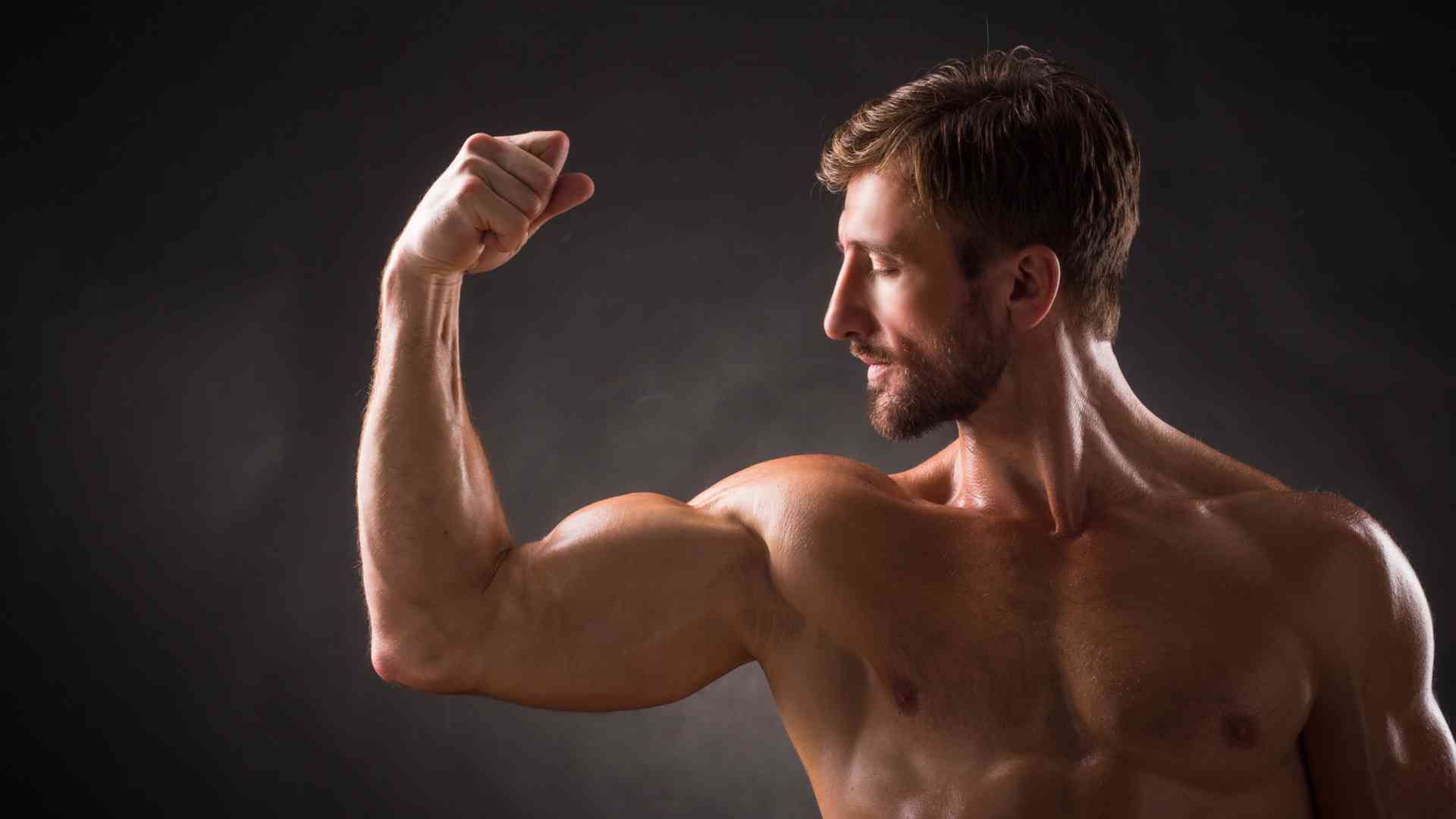
Building strong and well-defined biceps is a common goal for many fitness enthusiasts. Whether you’re aiming for aesthetic appeal or functional strength, incorporating targeted exercises into your routine is essential.
In this article, we’ll delve into a variety of exercises designed to effectively target and develop your biceps muscles.
Related: Exercise For Belly Fat
Table of Contents
ToggleOne of the most classic and effective exercises for biceps is the barbell curl.
Aim for three sets of 8-12 repetitions, gradually increasing the weight as you progress.
The hammer curl targets not only the biceps but also the brachialis and brachioradialis muscles, contributing to overall arm development.
Perform three sets of 10-15 repetitions, focusing on maintaining proper form throughout.
Utilizing a preacher bench, this exercise isolates the biceps and helps to minimize cheating by stabilizing the upper arms.
Aim for three sets of 8-12 repetitions, ensuring a full range of motion.
Targeting the long head of the biceps, the incline dumbbell curl offers a unique angle of resistance.
Perform three sets of 10-12 repetitions, focusing on the mind-muscle connection.
While primarily known as a back exercise, chin-ups also engage the biceps as a secondary muscle group.
Aim for three sets of as many repetitions as possible, gradually increasing the difficulty by adding weight or performing eccentric chin-ups.
The concentration curl is an isolation exercise that allows for focused targeting of the biceps while minimizing momentum.
Complete three sets of 10-12 repetitions on each arm, maintaining strict form and control.
Cable curls provide constant tension throughout the movement, effectively targeting the biceps while also engaging stabilizing muscles.
Perform three sets of 12-15 repetitions, adjusting the weight as needed to maintain proper form.
The spider curl is performed lying face down on an incline bench, allowing for a greater stretch and contraction of the biceps muscles.
Aim for three sets of 10-12 repetitions, focusing on maintaining tension throughout the entire range of motion.
The reverse curl targets the brachioradialis muscle, which lies underneath the biceps and contributes to overall arm strength and definition.
Perform three sets of 8-10 repetitions, focusing on controlled movements and maintaining proper wrist alignment.
Relates: 15 Benefits of Strength Training
Incorporating a variety of exercises into your workout routine is key to effectively targeting and developing your biceps muscles. Remember to prioritize proper form, progressively overload your muscles, and allow for adequate rest and recovery between workouts. With dedication and consistency, you’ll be well on your way to sculpting strong and impressive biceps.

Dr. Nishtha Wadhwa is a medical doctor (MBBS, MD) who explains why we feel what we feel, in mind and body, without judgement. She is trauma-informed and is currently pursuing a Master’s in Clinical Psychology. Her own struggles with physical and mental health shaped how she teaches: in plain language, with practical steps, and with a focus on how closely mind and body are connected. Her work also draws on her training in nutrition. Watch her videos on YouTube at @healthintoto.